
Patellofemoral Pain
Patellofemoral pain — often called runner's knee — causes aching at the front of the knee, especially with stairs, squatting and running. We find the cause and rebuild smooth, pain-free kneecap tracking at our Marple clinic.
Understanding Your Condition
Patellofemoral pain is a common knee problem causing aching, discomfort or sharp pain around or behind the kneecap. It typically comes on with stairs — particularly descending — squatting, running, sitting for long periods, or any activity that loads the front of the knee. It's often called 'runner's knee' because it affects so many runners.
The good news is it responds very well to physiotherapy. At Complete Recovery Physiotherapy in Marple, we identify the factors causing your kneecap to track poorly and build a targeted strengthening and movement programme to settle the pain and keep it away.

What You Feel
- Aching around or behind the kneecap
- Pain descending stairs or downhill
- Discomfort squatting, kneeling or sitting with bent knees
- Pain during or after running
- A grinding or clicking sensation under the kneecap
- Pain that worsens with increased activity
- Discomfort after sitting for long periods (the 'movie theatre sign')
- A feeling the knee is weak or may give way
Common Causes
- Weakness in the hip, glute and quad muscles
- Poor kneecap tracking due to alignment or muscle imbalance
- Tightness in the quads, hamstrings, calves or IT band
- Rapid increases in running, training or hill work
- Poor foot mechanics and overpronation
- Training errors — too much, too soon, too fast
- Inappropriate or worn-out footwear
- Biomechanical factors such as wide hips or flat feet
Who Physiotherapy Can Help
Patellofemoral pain most commonly affects runners, cyclists, gym-goers and active teenagers — particularly women, due to wider hips affecting kneecap alignment. We also see desk workers whose knees ache after long periods sitting. Whether your pain is recent or has been grumbling for months, targeted treatment makes a real difference.
If your knee aches around the kneecap with stairs, squatting or running, patellofemoral pain is likely. We assess the specific factors involved and build a programme to settle it.
Struggling with Patellofemoral Pain?
Book your assessment today. We'll find the root cause and start hands-on treatment in your first session.
Your Assessment
Your assessment identifies the factors causing your kneecap pain. We assess your kneecap tracking, muscle strength (particularly hips and quads), flexibility, foot mechanics and your movement patterns during squats, steps and — where relevant — running.
Patellofemoral pain is usually driven by a combination of factors, so finding all of yours is key to lasting relief. We'll explain what we've found and design a programme targeting your specific causes.
How We Treat It
Our hands-on treatment approach:
- Assessment to identify the factors driving your kneecap pain
- Hands-on treatment to ease pain and restore knee mobility
- Strengthening of the hips, glutes and quads to improve tracking
- Flexibility work for tight muscles affecting the kneecap
- Foot and footwear advice where relevant
- A graded return to running, stairs and sport
Expected Recovery
Most patellofemoral pain improves significantly within 6–8 weeks of targeted strengthening and movement correction. Runners can usually return to running progressively once strength and pain-free movement are restored.
The key is addressing the underlying strength and alignment factors — not just settling the pain — so it doesn't keep returning. We give you a clear programme and guide your return to activity so you stay pain-free long-term.
Everything You Need to Know Before Booking
No GP referral needed. Direct access appointments available — often same-day or within a few days.
What Happens at Your First Appointment
Your first session is a 45-minute comprehensive assessment. We start by listening — understanding your symptoms, your history, and what you want to get back to. We then carry out a thorough hands-on physical examination to identify the root cause of your problem. You'll receive a clear explanation of what's going on, a personalised treatment plan, and hands-on treatment begins in that very first session. You leave knowing exactly what's wrong, what we'll do about it, and how long recovery will take.
What Should I Wear?
Wear comfortable, loose-fitting clothing that allows easy access to the area we're treating. For knee, hip, or leg problems, shorts are ideal. For shoulder, neck, or back issues, a loose top or vest works well. You'll never be asked to undress beyond what's necessary for examination and treatment, and you'll always be treated with dignity and respect in our private treatment room.
How Many Sessions Will I Need?
This depends on your condition, how long you've had it, and your goals. Many patients feel significant improvement within 3–6 sessions. Acute injuries often resolve faster, while long-standing or complex conditions may need more. We'll give you a clear treatment timeline at your first appointment — and we only ever recommend sessions you genuinely need. Our goal is to get you independent and pain-free as quickly as possible, not to keep you coming back.
Can I Claim Through Insurance?
Yes. We are recognised by most major health insurance providers including AXA, Vitality, Bupa, WPA, and Healix. We can bill your insurer directly so you don't need to pay upfront — simply bring your insurance authorisation number to your appointment. If you're not sure whether you're covered, call us and we'll help you check before you book.
Treated by a Qualified, Experienced Professional

Rob Wood
Head Physio & Clinic Owner
Meet Rob, founder of Complete Recovery Physiotherapy in Marple.
Patellofemoral Pain Frequently Asked Questions
Why Choose Complete Recovery Physiotherapy?
We Find All Your Factors
Patellofemoral pain is driven by a combination of factors. We assess and address all of yours — strength, flexibility, feet and movement — so it doesn't keep returning.
Runner & Sport Aware
We understand running and the loads it places on the knee, assessing gait and guiding a graded return to running once you're ready.
Hands-On Plus Strengthening
Manual therapy to ease your pain combined with a targeted strengthening programme to improve kneecap tracking — the combination that lasts.
Root Cause, Not Just the Pain
We fix the strength and alignment factors behind your kneecap pain, so it stops coming back when you run or climb stairs.
Same Physio Every Time
Continuity of care with a physio who knows your knee, your running and your goals throughout your recovery.
Free Parking in Marple
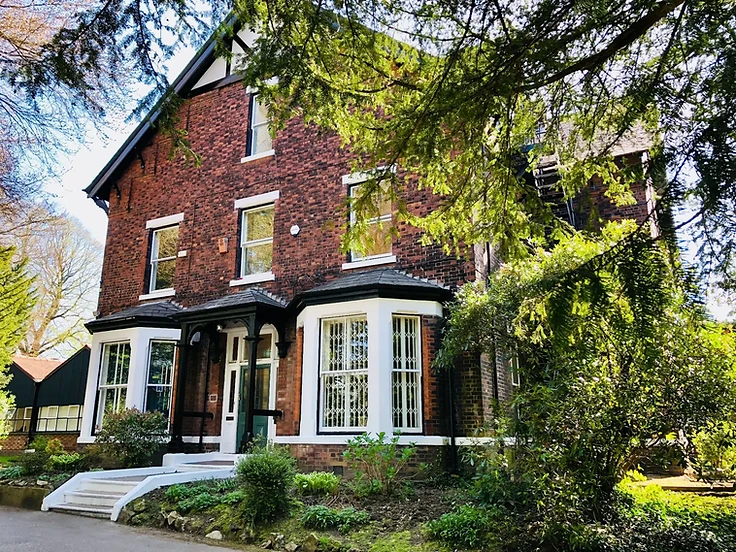
Easy visits at Bowden Hall with free parking right outside — making regular rehab appointments straightforward.
Related Conditions We Treat

Knee Pain
Knee pain can come from the joint, tendons, ligaments or cartilage — and the right treatment depends on the exact source. We assess precisely and rebuild strong, pain-free knee movement at our Marple clinic.
Learn More

IT Band Syndrome
IT band syndrome causes sharp pain on the outside of the knee, usually during running. We find the cause and rebuild the strength and mechanics that stop the friction at our Marple clinic.
Learn MoreKnee Arthritis
Knee arthritis causes stiffness, aching and reduced movement that worsens over time. We ease the stiffness and strengthen the muscles supporting your knee, helping you stay active and comfortable for as long as possible at our Marple clinic.
Learn MoreRunning Injuries
Running injuries affect the knee, hip, leg and foot, usually from training errors or biomechanics. We assess the cause and guide a graded return to pain-free running at our Marple clinic.
Learn MoreRelated Services

Sports Physio
Whether you're a weekend warrior, a dedicated athlete, or someone who simply loves staying active, sports injuries can be incredibly frustrating. Our specialist sports physiotherapy service is designed to help you recover fully, safely, and as quickly as possible.
Learn More
Physiotherapy
At Complete Recovery Physio, everything we do is built around high-quality physiotherapy. Whether you're recovering from an injury, dealing with ongoing pain, or looking to move more freely, we're here to support you.
Learn More
Exercise Rehabilitation
Exercise rehabilitation is the structured, progressive programme that rebuilds your strength, movement and confidence after injury or surgery — turning short-term relief into lasting recovery, guided by physiotherapists at our Marple clinic.
Learn MoreDon't Let Pain Hold You Back
Expert, hands-on physiotherapy in Marple. Free parking. Same-day and short-notice appointments often available.
Ready to Start Your Recovery?
Book your assessment today and take the first step towards a pain-free, active life. Free parking at our Marple clinic.